Why Your $24 Scotch Egg Costs $24: The Real Math Behind Fancy Comfort Food
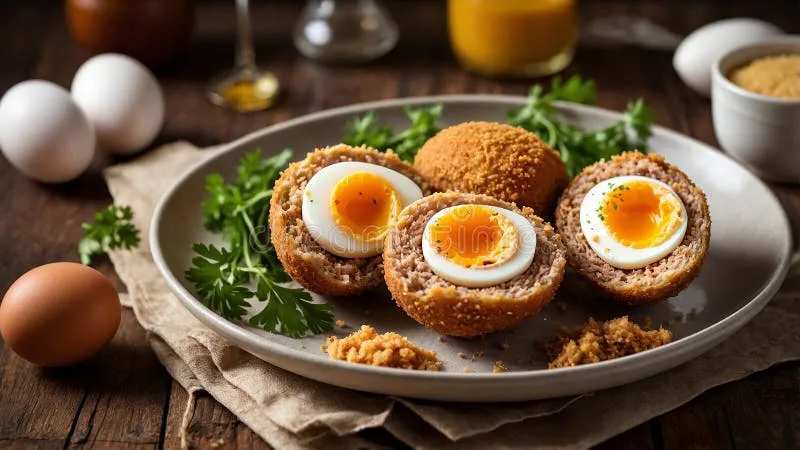
Photo: gourmet scotch egg soft yolk gastropub plate, via thumbs.dreamstime.com
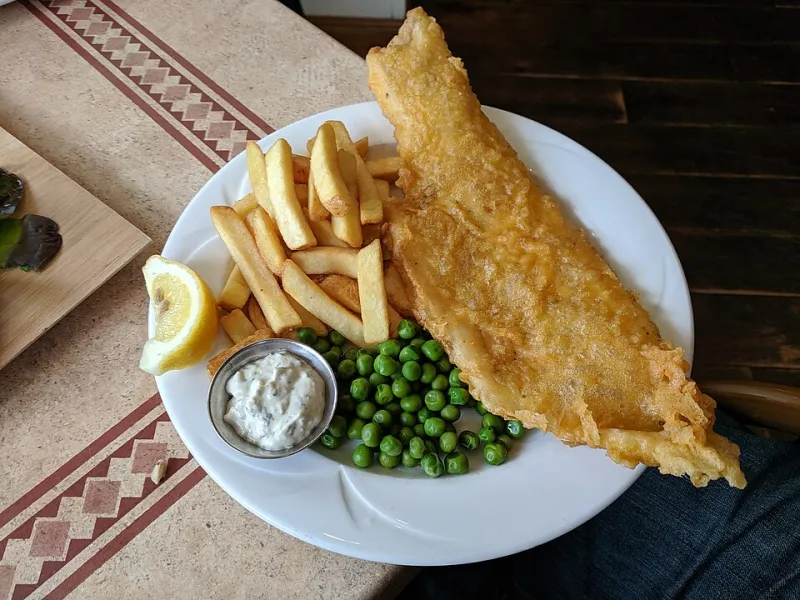
There's a moment that happens at almost every gastropub in America. A first-timer scans the menu, spots a familiar name — fish and chips, say — then sees the price and does a double take. Twenty-four dollars? For bar food?
Here's the thing: it isn't bar food anymore. And the gap between the $8 fish plate at a corner dive and the $24 version at a serious kitchen is one of the more interesting stories in American dining right now.
The Humble Origins Were Never That Humble
Start with the Scotch egg. In its modern form it's a party snack — a hard-boiled egg wrapped in sausage meat, breaded, fried, sliced into quarters. But the version that circulates in food history circles suggests something more ambitious: a portable, preserved protein for travelers, possibly descending from upper-class picnic fare. The dish was always more than its gas-station reputation.
American gastropubs figured this out before most diners did. When chefs started soft-cooking the yolk instead of nuking it to gray, swapping mystery sausage for house-blended pork with fresh herbs and a whisper of mustard seed, and frying in carefully monitored oil rather than a tired fryer, the Scotch egg stopped being a joke and became a statement.
The same arc repeats across the canon. Poutine crossed the border from Quebec late-night fuel to a chef's canvas for smoked brisket gravy and cheese curds from a named Wisconsin dairy. Bangers and mash, once a pub lunch afterthought, now arrives with venison sausage, caramelized onion jus, and potatoes whipped with brown butter.
Where the Money Actually Goes
So why does elevated pub food cost what it costs? A few honest reasons:
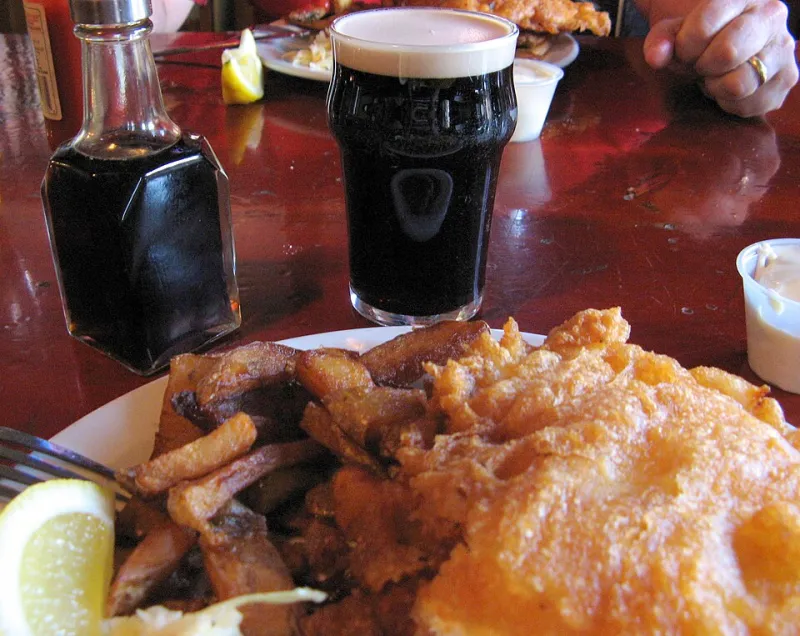
Ingredients. That fish and chips? It's probably a sustainable-caught species, not a frozen block. The batter might involve a specific beer from the tap list — which means the kitchen is buying that beer twice, once for you and once for the fryer. Duck fat costs money. Real poutine curds, the squeaky kind, are logistics-intensive.
Labor. Hand-wrapping hundreds of Scotch eggs a week is skilled, tedious work. So is double-frying potatoes for the right crust-to-fluff ratio, or keeping a gravy at temperature without breaking it. Pub kitchens run lean crews doing restaurant-grade technique at volume.
Overhead in places like Old Town. Historic buildings are charming and expensive. Rent on King Street doesn't care whether you're serving burgers or tasting menus.
There's a third factor people rarely mention: waste engineering. A smart gastropub uses trim from its prime dishes across the menu — pork trim in the sausage, whey in the bread, fish scraps in the stock for a chowder special. The $24 plate is often subsidizing a kitchen that refuses to cut corners elsewhere.
The Psychology of Fancy Comfort Food
Why does this menu category work so well on Americans specifically? Because it sells two feelings at once: nostalgia and permission.
Nostalgia is obvious. These are flavors people already love. Nobody needs to be educated into wanting mac and cheese.
Permission is subtler. Ordering a hamburger at a nice restaurant used to feel slightly embarrassing. Gastropubs flipped the frame — now the burger is the test of the kitchen, and ordering it signals confidence rather than timidity. The elevated version of a humble dish lets diners feel both indulgent and sophisticated, which is a rare emotional combo in a single plate.
There's also the beer effect. Craft beer gave American diners a new vocabulary — farmhouse, barrel-aged, hazy — and pub food is the natural grammar for that vocabulary. A Belgian quad wants a dish with heft. A crisp pilsner wants fried fish. The menu and the tap list grew up together.
What Separates a Gimmick from a Great Plate
Not every $24 bar snack earns its price. The tell is always technique, not truffle. A great gastropub fish and chips is about batter chemistry — cold beer, rice flour for shatter, precise fry temperature — not about gold leaf. A great Scotch egg is about sausage seasoning and a yolk like warm jam.
At our own kitchen in Alexandria, the test we apply is simple: would the dish be worth eating if it were cheap? If the answer is yes, the elevation is doing real work. If it's no, you're paying for the concept, not the cooking.
That's the strange alchemy in the end. Elevated pub food isn't about making comfort food fancy. It's about taking food that was always good and finally giving it the respect — the ingredients, the technique, the price tag — it deserved all along.