The Pub Grew Up: How Britain's Neighborhood Drinkery Became America's Most Ambitious Restaurant
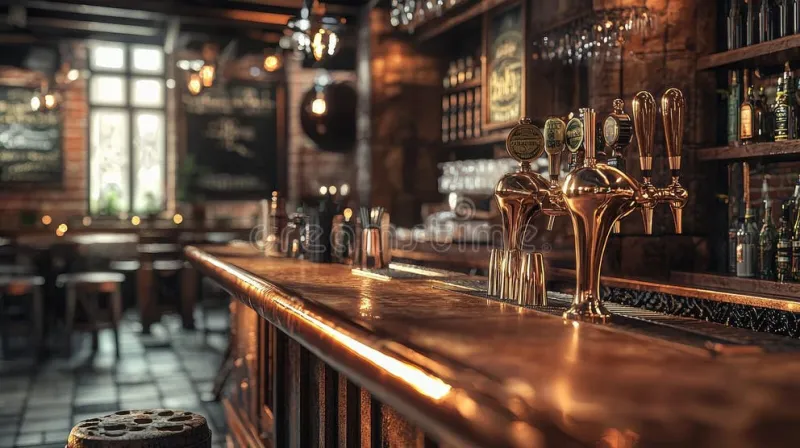
Photo: cozy gastropub interior with wooden bar and craft beer taps, via thumbs.dreamstime.com
Ask someone to picture a pub and you'll probably get the same mental image: dark wood, a dartboard, a pint, maybe a basket of fish and chips lined with newspaper-print paper. Ask them to picture a great restaurant, and the picture changes entirely — white tablecloths, a sommelier, a plate arranged with tweezers-level precision. For most of the last century, those two worlds had a hard border between them.
The gastropub walked right through it.
It Started With One Pub and a Bold Claim
The origin story is surprisingly specific. In 1991, David Eyre and Mike Belben took over a rundown spot in Clerkenwell, London, called The Eagle. They ripped out the old kitchen setup, installed proper restaurant equipment, and started turning out food that no pub had any business serving — slow-braised lamb, pan-seared fish, seasonal vegetables treated with actual care. Critics took notice. The word "gastropub" was born, half affectionate and half sneering, and it stuck.
The core idea was deceptively simple: keep everything people loved about the pub — the welcome, the pints, the lack of ceremony — and fix the food. Don't ask guests to dress up. Don't hand them a wine list the size of a phone book. Just cook better than anyone has a right to expect from a place with a bar in the middle of the room.
The Crossing to America
American chefs didn't so much import the gastropub as reinvent it in their own image. By the early 2000s, spots in New York and Chicago were proving that a burger could be a culinary event, that pork belly belonged next to a pint, and that house-made pickles and aioli could carry a menu as far as any foam or sphere.
A few forces made the timing right. The craft beer movement was exploding — suddenly there were local IPAs, barrel-aged stouts, and farmhouse saisons that demanded food with more ambition than a bag of chips. The farm-to-table ethos was taking hold, and pub kitchens, often small and chef-driven, were nimble enough to embrace it. And American diners were getting tired of the choice between stuffy and sterile. They wanted flavor without the fuss.
The gastropub delivered exactly that. It became the restaurant where you could celebrate an anniversary in jeans, where the fried chicken sandwich shared menu space with seared duck breast, and nobody blinked.
Why Old Town Was a Natural Fit
Old Town Alexandria, frankly, might as well have been designed for this movement. This is a neighborhood with genuine colonial bones — cobblestones, 18th-century brick, a harbor that predates the republic. There's history in the woodwork here, and pubs trade in history. But Alexandria is also a modern, food-literate town, full of federal employees, defense contractors, creatives, and families who know their way around a good restaurant and expect one.
That combination — old-world architecture, new-world appetites — is the gastropub thesis in built form. A 200-year-old storefront on King Street practically begs to be filled with a long bar, warm lighting, and a kitchen punching above its weight. When we opened ALX Gastropub, that's the promise we wanted to keep: a room that feels like it's always been here, serving food that could hold its own anywhere.
The Tension That Keeps It Honest
Here's the honest part: the gastropub lives with a permanent identity crisis, and that's a feature, not a bug.
Push too far toward fine dining and you lose the soul of the thing. If the plates get fussy and the portions get precious, you're just an expensive restaurant with beer taps, and regulars can smell the difference. A pub that stops feeling like a pub is a pub in name only.
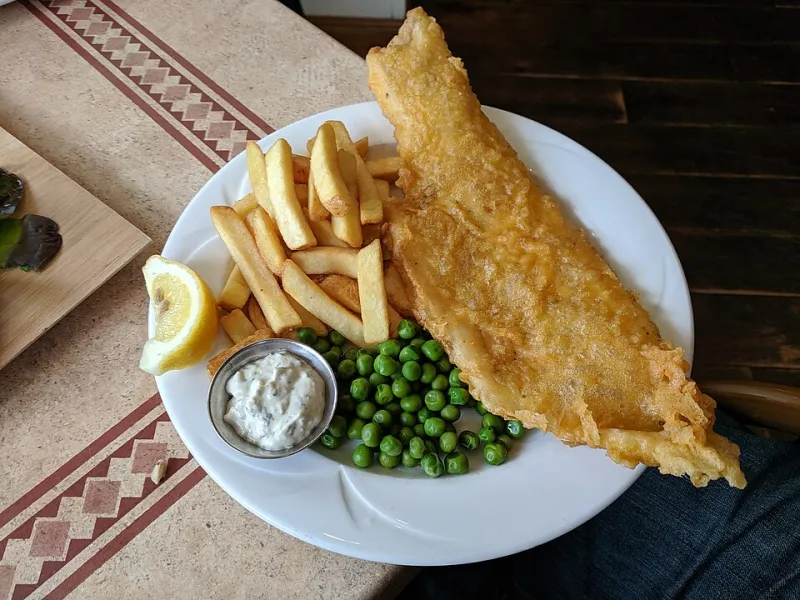
But coast on tradition and you get stale. Fish and chips are sacred, sure — but there's a real difference between a soggy frozen cod fillet and properly battered, twice-fried fish with house tartar sauce and thick-cut chips that crackle. Technique matters. Sourcing matters. A gastropub that won't improve its classics is just nostalgia with a liquor license.
The best operators — and this is the standard we hold ourselves to daily — treat tradition as the foundation, not the ceiling. Keep the shepherd's pie. Make it with braised short rib and a properly seasoned gravy. Keep the burger. Grind the blend yourself, toast the brioche, and don't apologize for the price of good beef. Keep the pint list deep and local. Also keep a barrel-aged old ale on tap for the person who wants to think about their drink.
Where It Goes From Here
A decade ago, the gastropub was a trend piece. Now it's just... how a lot of America eats. The movement's real legacy isn't foie gras sliders or truffle fries — it's the collapse of the idea that good food requires a certain kind of room. Diners got used to excellence without ceremony, and they're not giving it back.
For us in Old Town, that's a welcome challenge. The pub has always been the neighborhood's living room. All the gastropub did was insist the living room could also have a great kitchen. We can drink to that.
Come taste the story yourself — grab a seat at the bar, order something braised, and see why elevated pub fare found its home on our stretch of cobblestone. Reservations are a click away, though we'll always save a stool for the walk-in regular.