Fried Chicken at 11 P.M.: Why We Keep Cooking When Everyone Else Closes
Photo: Brittney Tun, CC BY-SA 4.0, via Wikimedia Commons
There's a particular kind of hunger that shows up around 10:45 p.m. It's not dinner hunger, and it's definitely not a craving you can satisfy with a bag of gas station chips. It's the hunger that comes after a show at the Birchmere, after a late shift, after a long dinner conversation that ran past the dessert course somewhere in Old Town.
Most restaurants in America have already locked their doors by then. We haven't. And the reason why says a lot about what a gastropub actually is.
The Great American Early Close
Ask anyone who's tried to get a real meal after 10 p.m. in a typical American city and you'll hear the same story: the kitchen "closed" at 9:30, the bartender offers you a menu of things that come out of a fryer bag, and your options narrow to pizza delivery or whatever's still lit on the highway.
It wasn't always this way. Late-night dining used to be woven into American food culture — automats in New York ran around the clock, diners were the midnight institutions of the interstate era, and big-city chophouses fed theater crowds well past midnight. But as labor costs climbed and dining rooms shifted toward the reservation-driven, turn-the-tables-twice model, the late shift became the first casualty. Kitchens now close early to save on staffing, plain and simple.
Pubs, though, never really operated on that model. The British pub — the ancestor of everything we do here — was never just a restaurant. It was a room where people gathered, and people gather late. Food came along for the ride, and it stayed late because the room stayed late.
What It Actually Takes to Cook at Midnight
Here's the unglamorous truth: keeping a kitchen open until midnight is a logistics problem, and we solve it every night.
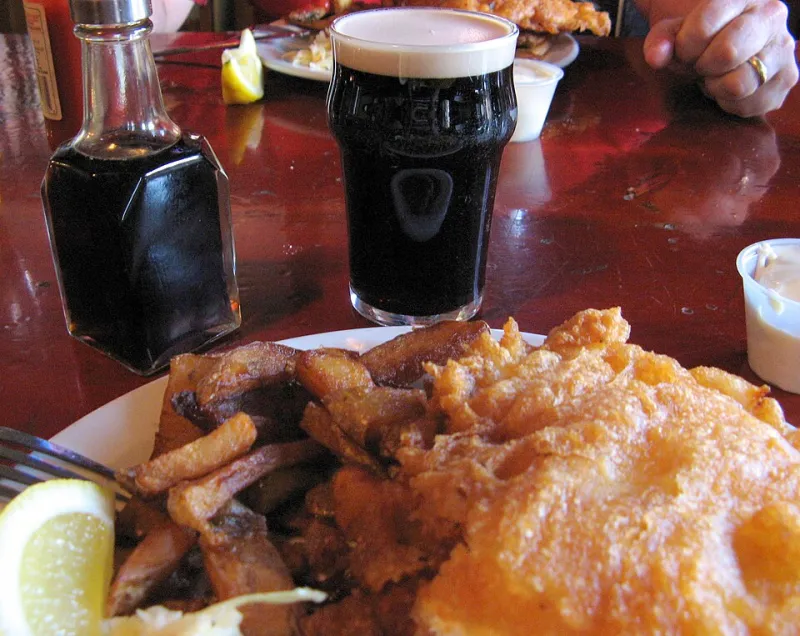
Our fryer station doesn't wind down at 9 — it gets a fresh oil change and a restock of potatoes for the poutine service that happens after most kitchens have sent their line cooks home. Our fried chicken sandwich is built to order at 11:15 the same way it's built at 6:15, because a buttermilk-brined thigh doesn't care what time it is. The gravy for the poutine gets held and refreshed, not reheated from a bucket.
The crew working that shift is smaller — a line cook, an expo, a couple of bartenders who can run food — which means the late menu is deliberately curated. You'll notice it leans toward things that fry beautifully, hold heat, and pair with a stout or a crisp pilsner. That's not a limitation. That's the point.
Why Late-Night Food Is Our Unfair Advantage
Fine dining has the tasting menu. We have the 11:30 p.m. plate of poutine, gravy still steaming, cheese curds just starting to melt into the fries.
That's a comparison that sounds flippant until you think about it. A gastropub's whole identity is being a complete experience — serious food, serious beer, zero ceremony. A restaurant that can execute a properly built fried chicken sandwich at midnight is proving something that no amount of foie gras can: that the kitchen's standards don't clock out when the dinner rush does.
There's also a hospitality argument. The best meals we've seen happen in this room rarely started at 7 p.m. sharp. They started when someone came in after a concert, when a group of nurses got off shift, when two people lingered over a second round and realized they were hungry again. Late-night service catches people at their most honest — and feeding someone at that hour is one of the oldest acts of hospitality there is.
A Small Request
If you find yourself in Old Town after 10 with a hunger that no snack bar can fix, come see us. Order the poutine. Ask the bartender what's still pouring. And know that the person on the line took the same care with your plate as they would have at 6 p.m.
The kitchen is open until midnight. It's the most pub thing we do.