One Block, Forty Taps: How King Street Became Old Town's Beer Corridor
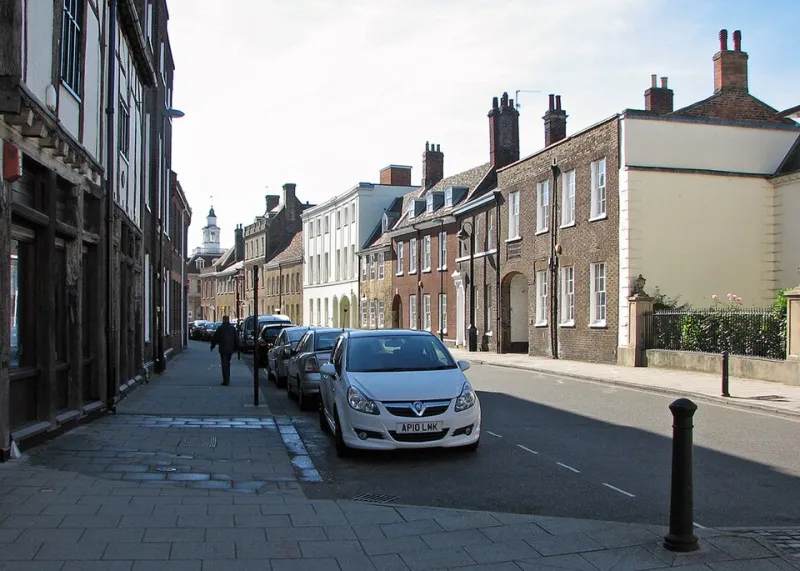
Photo: John Sutton , CC BY-SA 2.0, via Wikimedia Commons
The Block That Beer Forgot
Ask anyone who's been drinking in Old Town Alexandria for twenty years, and they'll tell you the same thing: this used to be a wine-and-watering-hole town. Marble counters, colonial brick, tasting rooms for tourists. If you wanted a proper draft list — something beyond the macro lagers every restaurant kept on standby — you were crossing the river into DC.
Somewhere in the last decade, that changed. And it didn't change all at once. It changed one lease negotiation, one ABC license, one stubborn owner at a time, on a stretch of King Street that now supports more independently owned taps per block than anywhere in Northern Virginia.
Landlords, Leases, and the Long Game
The story starts, as most real estate stories do, with rent.
When craft beer started booming nationally in the early 2010s, Alexandria's commercial landlords were skeptical. A taproom needed keg coolers, glycol lines, floor drains — expensive build-outs that a boutique clothing store would never ask for. Several property owners on the block initially passed on prospective tenants for exactly that reason.
"We were told, flat out, that nobody drives to Old Town to drink beer," one longtime bar owner told us, laughing about it now. "Then the same landlord called us back two years later asking if we knew anyone else looking for space."
What flipped the script was foot traffic. Beer destinations pull evening crowds that retail can't: people who linger, spend, and come back. Once the first few spots proved the model — that a well-run tap list could fill seats on a Tuesday in February — the leasing math changed for everyone.
The Licensing gauntlet
Virginia's alcohol licensing process deserves its own chapter in this story. Getting a mixed-beverage license is one thing. Getting the right license structure for a gastropub — food-heavy, beer-forward, open late — required owners to navigate state ABC regulations that weren't exactly written with this business model in mind.
Several of the block's pioneers leaned on each other during this phase. Shared counsel, shared advice, shared complaints about paperwork. That informal network, born of mutual frustration, is part of why the block's bars still cooperate on events instead of undercutting each other. A rising tide, as the saying goes.
What the Regulars Built
Here's the part of the story nobody puts in a business plan: none of it works without the people who show up.
The neighborhood regulars — the ones with a usual stool and a usual pour — are the reason a Tuesday in the off-season is viable. They're why a server can recommend a Virginia farmhouse ale to a first-timer with confidence. They're why, when a new spot opens on the block, the existing bars send over a welcome round instead of a cold shoulder.
We asked a few of them why they stayed loyal to one block when the whole DMV region is full of options. The answers were less about beer and more about belonging. Walkability. Familiar faces. The fact that you can end a night at one place and start one at another without moving your car.
Surviving the Success
Of course, the same popularity that lifted the block is now testing it. Rents on King Street have climbed steadily, and every lease renewal is a referendum on whether an independent gastropub can still pencil out its numbers in a neighborhood tourists love.
The owners who've lasted share a few habits. They own their build-outs rather than borrowing against them. They keep labor lean but pay well enough that staff stick around — because a bartender with five years of regulars' names memorized is an asset no marketing budget can replace. And they treat the beer list as a living thing: rotating, local when it makes sense, never precious.
Why It Matters
A block full of good beer is a nice thing. A block full of independent businesses that know each other's names, that sponsor the same little league team, that swap kegs when one runs dry mid-festival — that's a neighborhood.
Old Town didn't become a beer destination because of one great bar. It became one because enough people believed a block could be more than the sum of its storefronts. Raise a glass to that.