Two Years in the Dark: Inside the Tiny Room Where Our Barrel-Aged Beers Grow Up
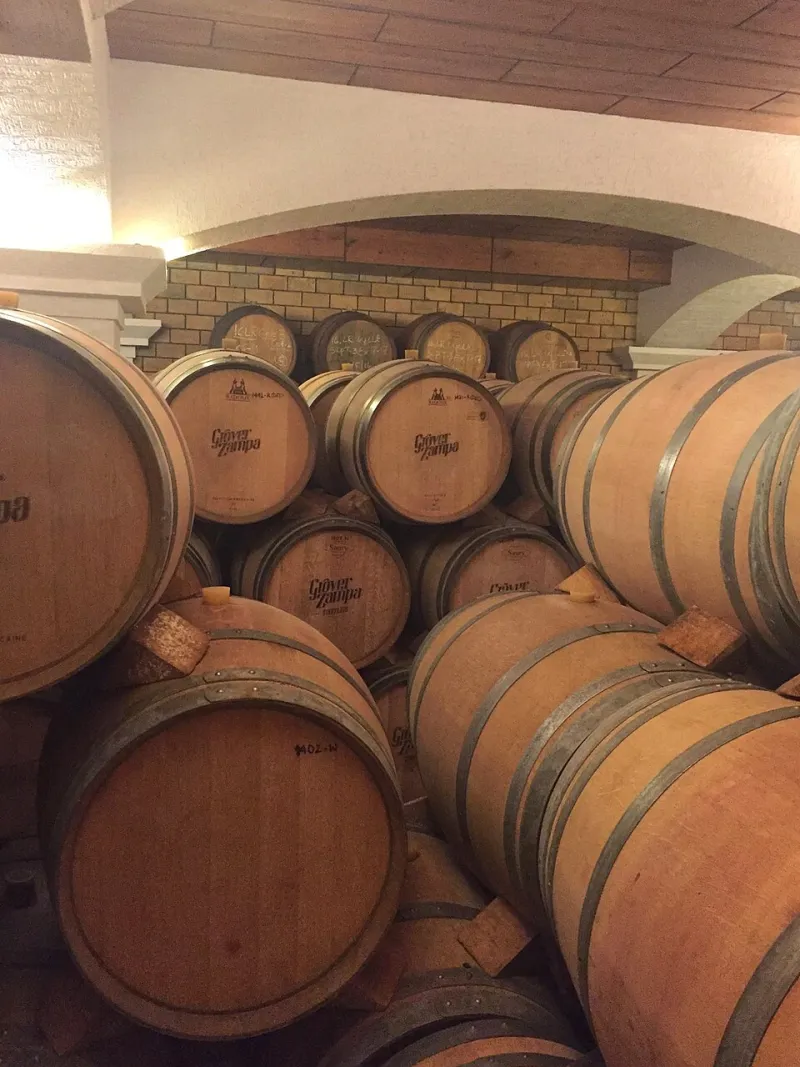
Photo: Subhashish Panigrahi, CC BY-SA 4.0, via Wikimedia Commons
There's a door in the back of our tap room that most guests never notice. It's unmarked, tucked behind the keg cooler, and if you're grabbing a jacket from the office you might mistake it for a mop closet. It is not a mop closet. It's where the most expensive beers we pour spend their childhood.
The room is barely wide enough for two people to stand shoulder to shoulder. It stays at a steady 55 degrees year-round, the kind of temperature a Virginia winter can't promise and a Virginia summer definitely can't. Racks line the walls, and on those racks sit oak barrels — some from Virginia distilleries, some from bourbon houses in Kentucky — each holding beer that won't see a tap handle for a very long time.
We asked our beer buyer, who pulls samples from these barrels more often than anyone, to walk us through what actually happens back there.
What's Sleeping Behind the Cooler
Right now, the room holds mostly barrel-aged imperial stouts and a couple of English-style barleywines. The oldest barrels in rotation date to early 2023. That's not an accident — big, malty, high-alcohol beers are the ones built to age. The hops fade, sure, but in a stout like that, hops were never the point.
"People think aging beer is like aging wine, where everything gets better," he says, wedging between two barrels to check a bung. "It's not. It's a transformation. Some things you want young. The stuff back here is the stuff that needs time whether it wants it or not."
The barrels themselves do most of the heavy lifting. Whiskey barrels carry vanillin, coconut, and char into the beer. Bourbon-soaked oak adds that caramel-sweetness you taste in a good barrel-aged stout before you even register the roast. And because oak is breathable, a slow, controlled amount of oxygen creeps in over months — softening the alcohol heat, rounding the edges, letting the flavors knit together.
Pulling a Sample From 2023
The tasting is quick and unglamorous. A wine thief, a plastic cup, a flashlight. He draws from a barrel of imperial stout that's been in oak for the better part of two years and hands it over without ceremony.
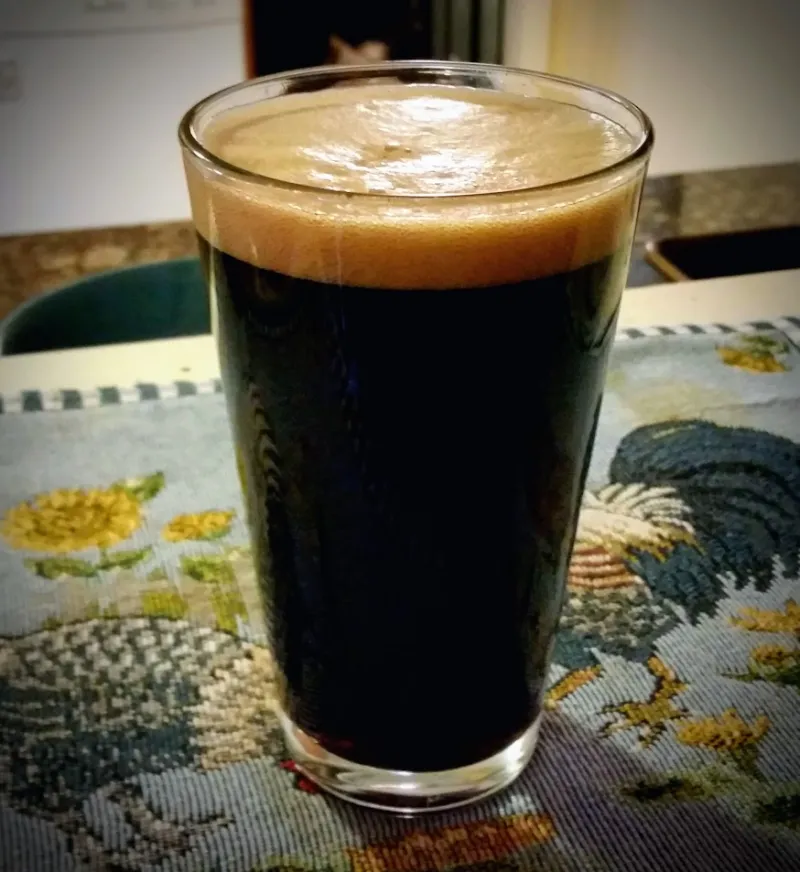
The first thing you notice is the smell — dark chocolate, bourbon, a little dried cherry. On the palate, it's shockingly smooth for a beer that started north of 11% ABV. The boozy burn that barrel-aged stouts show when they're fresh has mellowed into warmth. The roast bitterness has softened. What's left is depth: toffee, oak, a faint sherry-like nuttiness that only shows up with real time in wood.
"Two years ago this beer was aggressive," he says. "Now it's a conversation. That's the whole game."
Not every barrel makes it. Some get pulled early and blended. A rare few go down the drain — over-oaked, oxidized, or just tired. That's the part nobody puts on the menu: barrel aging is a gamble, and the room behind the cooler is where you find out which bets paid off.
Why the Oldest Pour Costs $18
Here's the honest math. A single barrel might yield 50-some gallons of finished beer, but evaporation — the "angel's share" — steals a percentage every year. Two years in oak and you're down noticeably from where you started. Add the cost of the barrel itself, the base beer (which uses several times the grain of a standard stout), and two years of real estate in a room we could otherwise use for kegs, and the pricing starts to explain itself.
An $18 pour isn't a flex. It's a 10-ounce pour of a beer that cost more per ounce to produce than almost anything else on the list, aged longer than some of our seasonal menu items have existed.
And honestly? It pairs like nothing else we pour. Next time one lands on the board, order it with the charcuterie platter — the barrel character loves aged cheese and cured meat — or sip it after a plate of the braised short rib. This is a beer that replaces dessert, not one that waits for it.
Come See (Well, Taste) For Yourself
We can't give tours of a room the size of a phone booth, but we can pour you the results. Barrel-aged releases show up on the tap list a few times a year, usually announced on the chalkboard before they hit the website. When one appears, don't wait — the 2023 stout took two years to arrive and lasted about two weeks once it did.
Some things in this pub are made fast and served fast. The stuff behind that unmarked door is the opposite. It's a reminder that patience is an ingredient too — you just can't put it on the line list.