Decoding the Draft List: What Our Bartenders Wish You Knew Before You Order
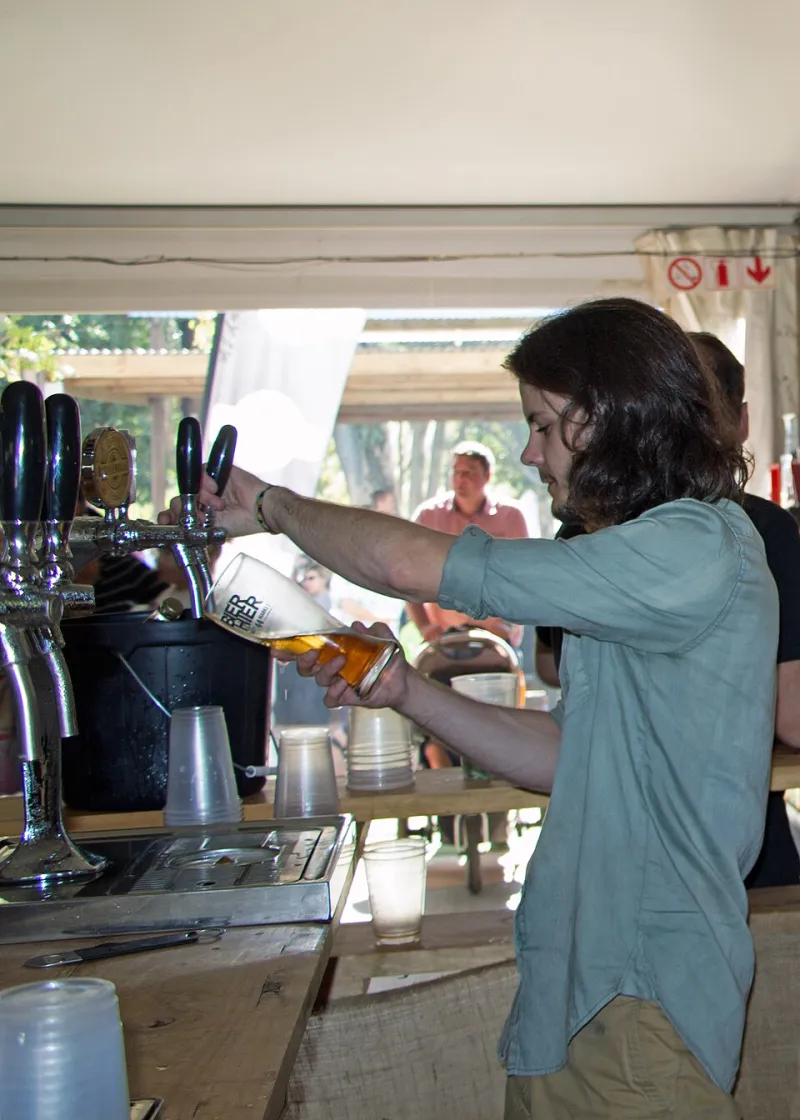
Photo: HelenOnline, CC BY-SA 3.0, via Wikimedia Commons
Stand at our bar on any given Friday and you'll watch the same scene play out on repeat. A guest sits down, picks up the beer menu, squints at it for a solid thirty seconds, then looks up and says the five words every bartender hears nightly: "Something light, but not boring."
We love that question. Honestly. It's an invitation. But our bartenders — Marcus, Dana, and Theo between them have something like forty years behind the rail — will tell you that the guests who order fastest and happiest are the ones who've learned to read the menu itself. Not memorize it. Read it. Because a good beer list is a conversation, and most of it is written right there in plain sight.
Here's what the folks behind our bar wish every guest knew.
ABV Is a Speed Limit, Not a Flavor Dial
The most common misread on any menu is treating alcohol by volume like a taste rating. A 9% imperial stout isn't "more flavorful" than a 4.5% session ale — it's bigger, warmer, and heavier, which is a completely different thing.
Marcus puts it this way: "ABV tells you how many of those you're having, not how much you'll like the first one." If you're settling in for a couple of pints with the fish and chips, something in the 4–6% range is your friend. If you're splitting a burger and want one beer to carry the whole meal, that's when the bigger numbers earn their keep.
The sneaky part? Some of the most drinkable beers on any list hide at the low end. A well-made English bitter or a crisp Virginia kölsch-style ale delivers more character per sip than plenty of 8% monsters.
IBU: The Number That Lies
IBU — International Bitterness Units — measures dissolved bittering compounds from hops. On paper, a heavily bittered West Coast IPA might clock 70 IBU while a juicy hazy sits at 40. In the glass, the hazy will often taste more bitter-adjacent, because its grain and fruit character don't mask the hops the way a malty backbone does.
Dana's rule of thumb for guests: "IBU tells you the recipe, not the experience. If you like hoppy but hate biting into a grapefruit rind, ask which IPAs lean juicy instead of dry. Any decent bartender knows the difference on their own list."
And if you see a style with no IBU listed at all — lagers, saisons, sours — that's not an omission. It's a signal the number wouldn't tell you much anyway.
Draft vs. Can Is Not a Ranking
Guests sometimes assume the tap list is the "good" list and the cans are the backup. Not at a place that cares. Draft and cans simply do different jobs.
- Draft showcases beers built for freshness and volume — lagers, pilsners, session ales, anything you want arriving cold and fast in a proper pint glass.
- Cans protect fragile beers from light and oxygen better than any keg seal, which is why the hazier IPAs, barrel-aged stouts, and wild ales often live there.
Theo's take: "If we put a delicate IPA on draft and it sits for three weeks, I've done that beer a disservice. The can list isn't plan B. Sometimes it's the best stuff we have."
Menu Placement Is a Hint, Not an Accident
Beer lists are arranged on purpose. The top of the list usually holds the approachable stuff — lagers, blondes, wheat beers — because that's where first-timers look. The bottom third is where the staff puts the weird and wonderful, assuming anyone who scrolled that far is game.
Seasonal placement matters too. A pumpkin ale in October or a fresh-hop IPA in early fall isn't a gimmick; it's a window. Those beers are at their peak for a few weeks, and the menu position reflects that urgency. When something seasonal shows up near the top despite being niche, that's the staff telling you: drink this now.
The Mini-Glossary Worth Stealing
- Session: Low enough ABV to have more than one. Built for length, not intensity.
- Backbone: The malt structure that balances hops. "Malty backbone" means the bitterness won't run the show.
- Dry-hopped: Hops added late for aroma without extra bitterness. Big smell, gentler bite.
- Cask/Real ale: Unfiltered, lightly carbonated, served at cellar temp. Rare, and worth ordering when you see it.
- Kölsch-style: Crisp and pale like a lager, fermented like an ale. The great crowd-pleaser nobody talks about.
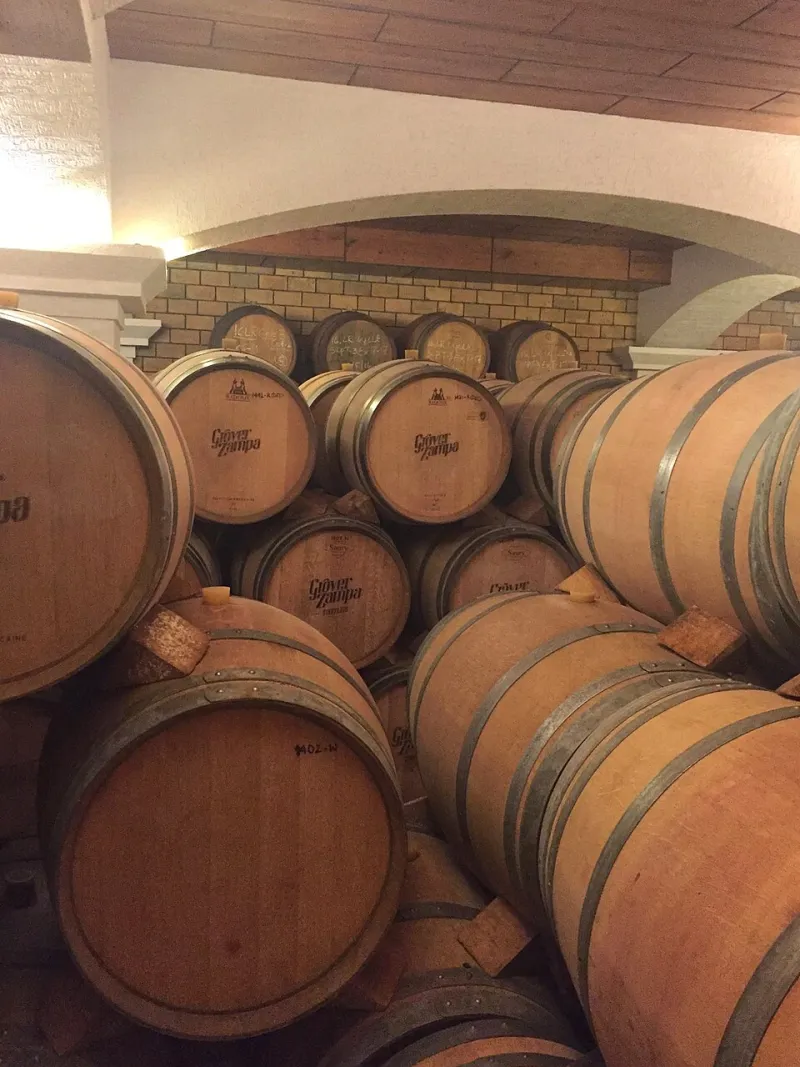
- Barrel-aged: Rested in bourbon or wine barrels. Sip it, don't chug it, and expect a price to match.
Three Real Scenarios From Our Rail
"I usually drink light beer." Order the pilsner or kölsch-style, not the lightest thing on the list. You'll get the crispness you're used to with actual flavor attached.
"I want to impress a date who drinks wine." Ask for the saison or a Belgian-style blonde. Yeasty, dry, complex — these are the beers that convert wine people.
"I want the most local thing you have." Skip the big names. Ask what's on from within fifty miles. Virginia's brewery scene is deep right now, and there's almost always a keg from down the road that never leaves the state.
The Real Secret
Every bartender we've ever worked with says the same thing: the menu is a starting point, not a test. Read the numbers, note the placement, then use them as a conversation. "I like hoppy but not bitter" is a better order than any style name. The person behind the bar has tasted everything on that list — that's literally the job.
Come sit at the rail and try it. Worst case, you learn something. Best case, you find your new favorite in the bottom third of the menu where we keep the good stuff.