Nobody Orders the Sides Anymore: How Vegetables Took Over Our Pub Menu
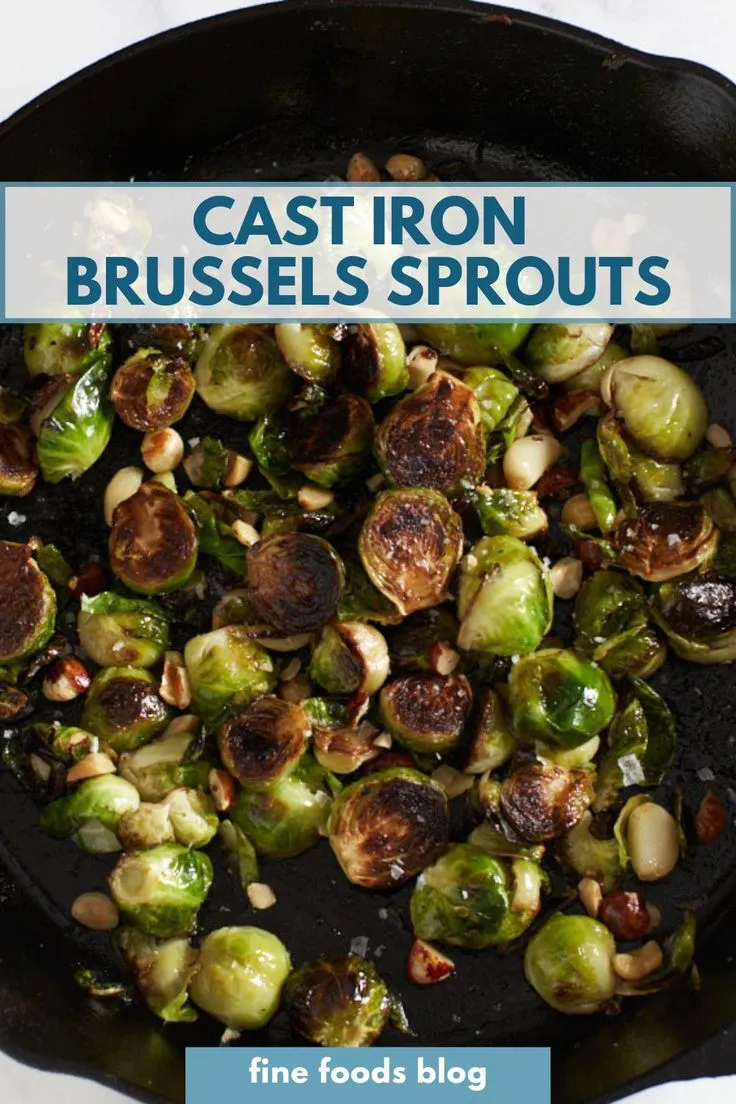
Photo: charred brussels sprouts in cast iron pan restaurant kitchen, via i.pinimg.com
Five years ago, the Brussels sprouts on our menu were a garnish. Literally. A few charred leaves scattered next to the steak frites, mostly a way to add color to the plate. Today, they're the second-most-ordered dish in the building, behind the burger and ahead of the scotch egg. Our line cooks have opinions about this. Strong ones. So do our regulars, half of whom now walk in and order vegetables before anyone mentions the word 'entrée.'
How did we get here? It wasn't a marketing plan. It was a slow, slightly stubborn evolution that happened one prep list at a time.
The Side Dish Was a Dead-End Job
For most of American restaurant history, the vegetable at a pub was a formality. A scoop of buttered carrots. A handful of steamed broccoli nobody touched. The kitchen treated those items as low-stakes filler — cheap to source, impossible to ruin, and nobody's idea of a reason to book a table.
That mindset was baked into how we trained cooks, too. New hires got the fryer and the salad station. The 'real' cooking happened on the grill. Vegetables were where you proved you could show up on time, not where you proved you could cook.
What changed things was a combination of necessity and pride. Our chef de cuisine, Dana, got tired of watching beautiful produce from our Virginia farm partners go into side dishes that tasted like obligation. Around the same time, we had a batch of spent grain from our brewing partners that needed a home, and someone threw together a beer-battered pickle using the leftover batter from the fish and chips. That pickle plate sold out in two nights.
Technique Is the Whole Ballgame
The honest truth about why pub vegetables used to be bad: nobody applied actual technique to them. You can't just roast a sprout and call it gastropub food. The difference between a forgettable vegetable and one people photograph is almost entirely about process.
Take our sprouts. They get blanched first, shocked, then halved and hard-seared in a cast-iron pan until the flat side develops a genuinely dark crust — we're talking beyond golden, into territory that would get a steak sent back. Then they're tossed in a glaze built on our house malt vinegar, the same one we brew from spent grain, plus a little local honey from a beekeeper down in Lorton. The finish is toasted hazelnuts and shaved pecorino. Fourteen minutes of actual cooking for a dish that costs eleven dollars.
The fries follow the same logic. Double-fried, obviously, but the detail people miss is the vinegar hit right out of the fryer — malt vinegar powder dusted while the fries are still steaming, so it melts into the crust instead of sitting on top. It's the British chippie tradition, tightened up.
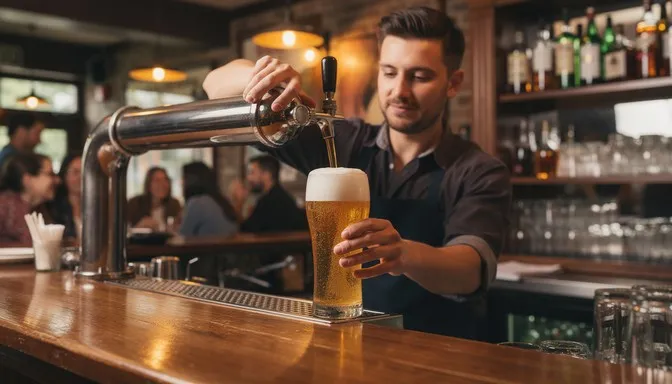
Even the pickle plate is technique-heavy. The batter uses the same ale we pour on draft, cold from the keg, whisked seconds before frying so the carbonation keeps it light. Batter temperature, oil temperature, timing — it's all as exacting as anything we do with a pork belly.
Sourcing Changed the Ceiling
Technique only takes you so far with mediocre ingredients. When we started treating the vegetable program like the meat program, sourcing was the first fix. We work with farms in Northern Virginia and the Shenandoah Valley for seasonal produce, which means the menu shifts with what's actually good — blistered shishitos in late summer, roasted squash with brown butter in October, shaved root vegetable salads when the farmers market in Old Town starts looking grim in February.
Seasonality also solved a kitchen morale problem. Line cooks rotate through the vegetable station now instead of being stuck on it, and the station itself stopped being the entry-level joke. Our current sous chef ran the veg station for a year and will tell anyone who listens that it taught her more about heat control than a year on the grill ever did.
Why Diners Crossed Over
Part of the shift is demographic. Our dining room is a mix of Old Town regulars, tourists off King Street, and a younger crowd that drinks dry-hopped lagers and genuinely orders vegetables as a main event. But we'd be lying if we said we engineered that. What we did was stop treating vegetables as a concession to someone's diet and start treating them as dishes worth craving.
The result: tables now order three vegetable plates plus a board instead of an entrée each. Our servers stopped being surprised by it around two years ago. The kitchen stopped being surprised before that.
There's a nice symmetry to it, too. Gastropubs were born from the idea that beer deserved food as serious as wine got. The next chapter of that idea, at least in our kitchen, is that the humble side dish deserved the same shot. The sprouts came for the beer. They stayed for the sprouts.