The Corner Booth Nobody Reserves (And Everybody Needs)
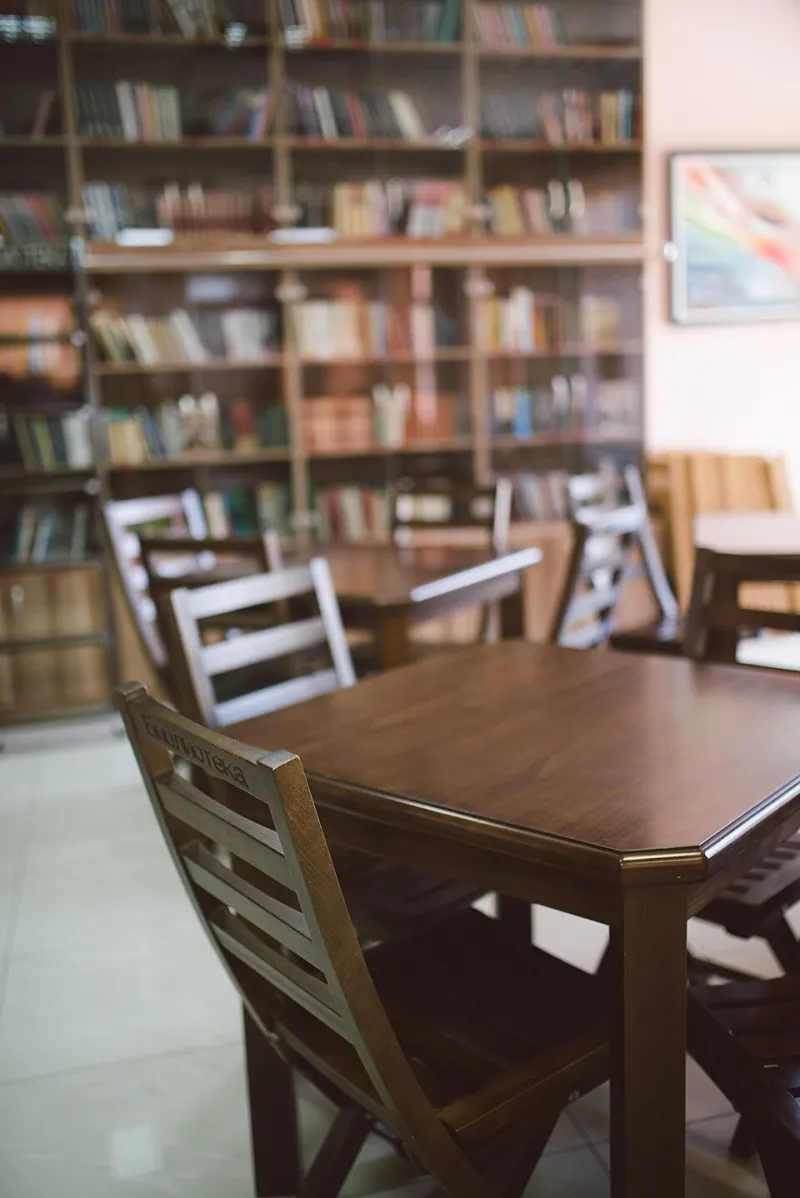
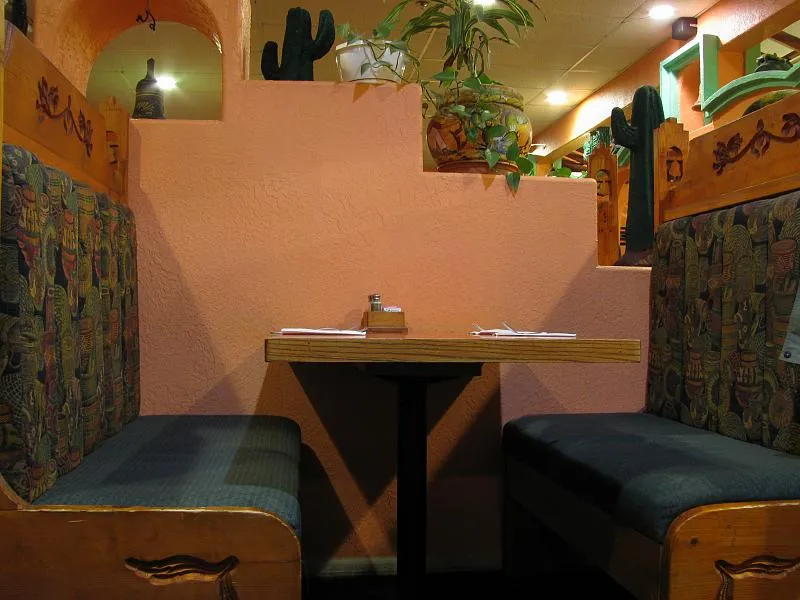
Photo: Shixart1985, CC BY 2.0, via Wikimedia Commons
There's a booth in our front corner that has never once appeared on a reservation list. No OpenTable slot, no host stand notation, no little card with a name and a time. And yet, if you asked our regulars, most of them could tell you exactly where it is — and at least six of them would tell you it's theirs.
We call it the last booth. It's the one tucked against the front window, where King Street foot traffic drifts past like a slow movie. It gets waxed on Mondays. And over the past decade, it has quietly become the most important seat in the building.
A Short History of Sitting in the Corner
Booths didn't start as cozy. The earliest versions showed up in Victorian chophouses and gin palaces in England — small wooden compartments built to give drinkers privacy from the room and, frankly, from the landlord's judgment. When the concept crossed the Atlantic, American saloons ran with it. By the 1890s, Chicago and New York taverns were building high-backed mahogany booths specifically so a gentleman could conduct business (legal and otherwise) without the bartender hearing a word.
Prohibition nearly killed the booth, but the diner and the drive-in brought it back with vinyl upholstery and formica tables. The postwar steakhouse made it aspirational again — the corner booth became where deals closed and anniversaries happened. Sinatra wanted the corner. Everybody wanted the corner.
Old Town Alexandria, being Old Town Alexandria, kept a version of all of it. Our building has housed a tavern of one kind or another since the 1940s, and the booth bones — the L-shape, the window sightline, the acoustic pocket that swallows conversation — have survived every renovation since.
What Actually Happens in Booth Nine
We keep informal track, the way any hospitality crew does. In the corner booth, our servers have witnessed:
- Three proposals. Two yeses and one long, terrible pause that ended in yes. All three couples had the same instinct: don't do it at the table in the middle of the room, do it where it's just us.
- One breakup so graceful the couple split the charcuterie board to the end and left a generous tip. We still talk about it.
- The Sunday family, a group of four who've claimed the booth after 10 a.m. mass for eleven years running. The grandmother orders a shandy. Nobody questions this.
- A job interview that turned into a hire, and a hire who now tends bar four stools down.
- A regular named Doug who sat in the booth every Thursday for a decade, ordered the same burger, read the same paperback. When Doug moved to Richmond, he asked if he could take the booth. He could not. We offered him the ketchup bottle instead. He took it.
There's a pattern here, and it's not an accident of furniture placement.
Why the Corner Works
Ask any designer of restaurants or bars and they'll tell you: people don't actually want to be seen. They want to feel like they might be seen, and otherwise be left alone. The corner booth delivers both. Your back is protected. The room is visible. The noise of the pub wraps around you instead of through you.
Psychologists call this prospect and refuge — the same instinct that made our ancestors back up against cave walls. A booth is a cave with table service. The corner booth is the best cave in the building.
There's also the matter of time. A two-top at a small table reads like a quick meal. A couple that slides into a booth has, consciously or not, announced they're staying. Booths slow people down in the best way. We've watched two-hour dinners become four-hour dinners in that corner, and we've never once had to turn the table. That's the point.
The Wax
Every Monday, before open, one of our cooks runs a tin of butcher's wax over the booth's oak rail — the spot where ten years of forearms, elbows, and the occasional celebratory fist-pump have worn the finish down to a soft shine. It takes four minutes. It's the least glamorous task on the checklist and, quietly, the one that matters most.
The booth doesn't look new. That's the idea. The scuffs on the table edge are from a decade of pints set down a little too enthusiastically. The window ledge holds a faint ring from a very old stout. You can't manufacture that, and you shouldn't try.
Come Sit in It
We won't take a reservation for it — that would ruin the whole thing. The corner booth works on the same system as every good thing in a pub: first come, first loved. Walk in on a rainy Tuesday, slide in, and let the room go soft around you.
And if you're the type who needs a nudge: order the burger, split the charcuterie, and take your time. Doug would want it that way.