Three Cuts, No Secrets: The Honest Math Behind the Burger Everyone Orders
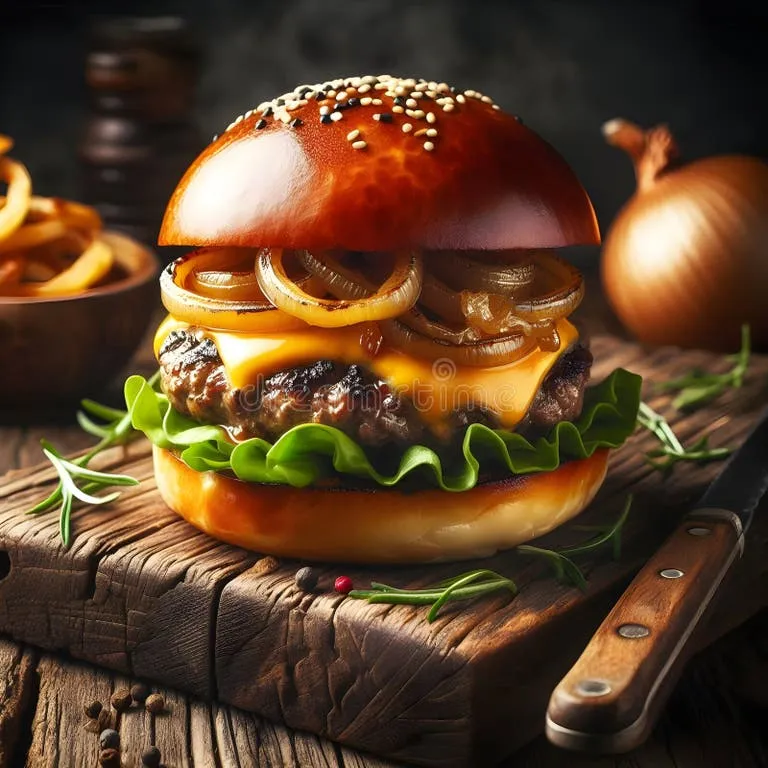
Photo: gastropub burger thick patty brioche bun craft beer bar, via thumbs.dreamstime.com
Every gastropub in America has a burger on the menu. Ours outsells everything else we make by a factor of three. And here's the thing nobody in the industry wants to say out loud: at $14, we lose a little money on it. Not on every single one, but close enough that our accountant has opinions.
We're not telling you this to brag or to guilt you into ordering the steak frites. We're telling you because the burger is the most honest window into what a kitchen actually values. Anyone can sear a duck breast at $38. Show me your burger and I'll show you your priorities.
Why One Grind Was Never Enough
When we wrote the menu, our chef refused to use pre-ground beef. That decision alone adds labor most kitchens won't take on. We buy whole chuck for its beefy, almost mushroomy depth, brisket trim for fat and richness, and a smaller percentage of short rib for the kind of unctuousness that makes people put their fork down mid-bite and say "okay, what is that?"
The ratio is ours and it changes maybe once a year, when the beef supply shifts. The cuts get hand-trimmed, cubed, and ground in-house twice a week. Pre-ground 80/20 from a distributor costs about a third less. It also tastes like a third less. The grind is where the flavor lives, and once you've tasted freshly ground short rib in a blend, there's no going back.
Smash or Stack: We Picked a Side, Then Hedged
Every burger kitchen eventually has the fight: thin, lacy smash patties with maximum crust, or a thick pub patty with a rosy center. Our answer was both, sort of. We press a thick patty but sear it hard enough on a screaming-hot plancha to get a deep, crackly crust — the thing smash burger devotees are actually chasing. You get the Maillard edge without sacrificing the interior.
The trade-off is consistency. Thick patties are unforgiving; a degree or two off and the texture changes. Our line cooks train on the burger station longer than on any other item. The cheapest menu item demands the most expensive training. Sit with that one for a second.
The Bun Contract Nobody Talks About
Here's a detail that would surprise most diners: our bun costs more per unit than the patty does to produce. We worked with a bakery in Northern Virginia to develop a brioche-style potato bun that's sturdy enough to hold juice without going dense. The contract requires weekly delivery, a minimum order, and a recipe only we get.
Why does that matter? Because the bun is half the eating experience and the first thing cheap burgers get wrong. A dry, flimsy bun is the tell of a kitchen that treats the burger as an afterthought.
Where the $14 Actually Goes
Let's run rough numbers. Between the beef blend, the bun, cheddar, house pickles, sauce, lettuce, and onion, our plate cost runs around $6. Add labor — grinding, forming, cooking, plating — and you're near $9 before rent, utilities, and the dishwasher's paycheck. A standard 25 to 30 percent food cost target would price this burger at $30. We charge $14.
So why do it? Because the burger is our handshake. It's what first-timers order, what regulars anchor to, what gets photographed and posted. It's marketing that happens to be delicious. We make our margin on the beer list and the entrees, and we're transparent about that trade.
What You Should Demand From Any $14-Plus Burger
If you take one thing from this, make it a checklist. A burger at this price point in 2025 should offer:
- A stated blend or grind, even just on the menu. "House-ground" should mean something.
- A bun with a name. If the kitchen won't say where it came from, it probably came from a food-service freezer.
- A real sear. Look for crust, not gray.
- A cook temp the kitchen actually respects. Ask for medium-rare. Watch what happens.
The $14 bar burger isn't a lie because the price is wrong — it's a lie when the craft behind it is imaginary. Ours runs a deficit and we sleep fine. The next time you bite into a burger anywhere in Old Town or beyond, ask what's in the grind. The good kitchens will light up. That's how you know.