Six Weeks in a Jar: The Spent Grain Story Behind Our House Malt Vinegar
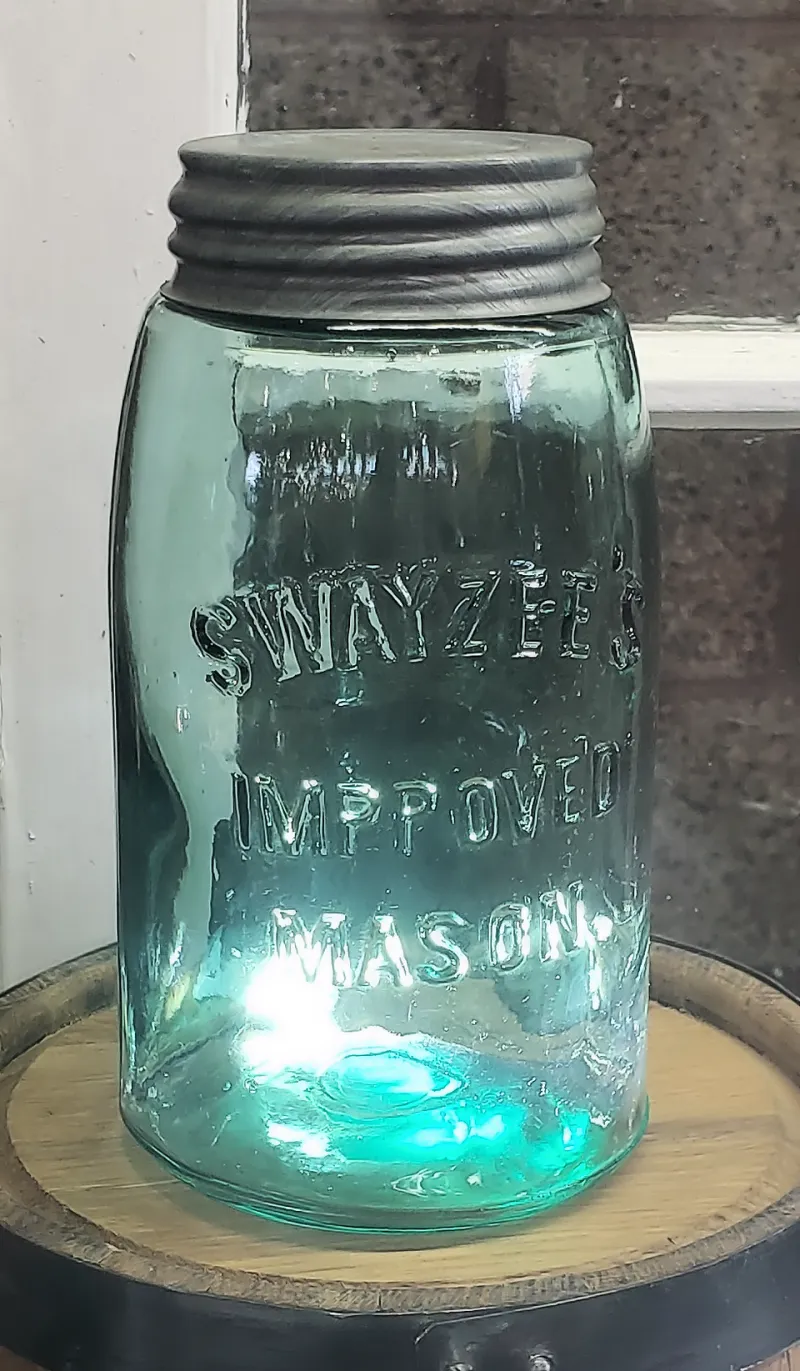
Photo: Eric Polk, CC BY-SA 4.0, via Wikimedia Commons
There's a jar on the shelf above the pastry station that most customers never notice. It's unremarkable — a half-gallon mason jar with a coffee filter rubber-banded over the top, filled with a cloudy amber liquid that smells, depending on the week, like sourdough starter or old apple cider.
That jar is why our fish and chips taste the way they do.
The Condiment Nobody Thinks About
Ask anyone about fish and chips and they'll talk about the fish — the batter, the flake, the crunch. Ask them about the chips and you'll get opinions on duck fat or twice-frying. Almost nobody talks about the vinegar. Which is backwards, because vinegar is the thing that cuts through all that richness. It's the acid that resets your palate between bites so the tenth fry tastes as good as the first.
And most malt vinegar — the stuff in the brown bottle on every chip shop counter in Britain — is industrial product, often colored and flavored rather than truly brewed. It does the job. But it does the job the way a greeting card does the job of a love letter.
Our chef, Danny, got tired of that brown bottle about two years ago. His complaint was simple: "We're making everything else in-house. Why are we buying the one ingredient that's basically free?"
Free, If You Don't Count Six Weeks
Here's the part that makes it free: every time we brew, there's leftover wort — the sweet, grainy liquid that becomes beer once yeast gets involved. Breweries deal with spent wort and spent grain constantly. Usually it goes to a farmer for pig feed, or down the drain.
Danny's move was to intercept some of it before the yeast did.
The process goes like this: he takes a few quarts of spent wort from whatever our brewing friends down the street are making, thins it slightly, and lets the wild airborne acetobacter — the bacteria that turn alcohol into acetic acid — go to work. No added yeast, no shortcuts. Just a cloth cover, a dark corner of the kitchen, and patience.
Week one, it smells like stale beer. Week two, a faint sourness creeps in. Week three, a gelatinous film forms on top — that's the mother, the living culture, doing exactly what it's supposed to do. By week six, Danny pulls a spoonful, blows on it, tastes, and either nods or waits another week.
"You can't rush it," he told me, tapping the jar. "The vinegar's done when it's done. It's the only thing in this kitchen that works on its own schedule."
A Small Movement in Big Kitchens
Danny's not a genius; he's part of a trend. Breweries and beer-focused restaurants across the country have started treating brewing byproducts like pantry gold. Spent grain becomes bread and granola. Excess wort becomes vinegar, hot sauce bases, even shrubs for cocktails. It's sustainability, sure — but mostly it's flavor. Beer and vinegar are cousins. Both start with malted grain. Both are products of fermentation. Making vinegar from wort is less a culinary innovation than a return to common sense.
Some of the best bar snacks in America right now are dressed in house vinegar — pickled eggs in breweries from Denver to Durham, fries splashed with malt vinegar reductions in gastropubs that won't admit how simple the trick is.
What It Does to the Plate
House malt vinegar is softer and rounder than the bottled stuff — malty underneath the acid, with a faint sweetness that store-bought can't fake. On our fish and chips, it does three jobs at once: it brightens the batter, cuts the oil, and ties the plate to the beer list, since the vinegar and the pint on your coaster share the same grainy DNA.
We also use it in the pickles on the charcuterie board, in the vinaigrette on the bitter greens salad, and — once, memorably — reduced with a little honey into a glaze for pork chops that sold out in a night.
Try It at Home (Really)
You don't need a brew deck. A bottle of unfiltered live beer — anything with sediment in the bottom — plus a spoonful of raw apple cider vinegar with the mother, covered with cheesecloth in a dark cupboard, will get you a passable house vinegar in a month or two. It will taste better than anything you can buy, mostly because you waited for it.
That's the whole philosophy, really. The best pub food isn't fancy. It's familiar food made with unreasonable care — right down to the splash of vinegar nobody ordered but everybody remembers.