Batter, Glaze, Bloody: How Craft Beer Became Our Kitchen's Secret Ingredient
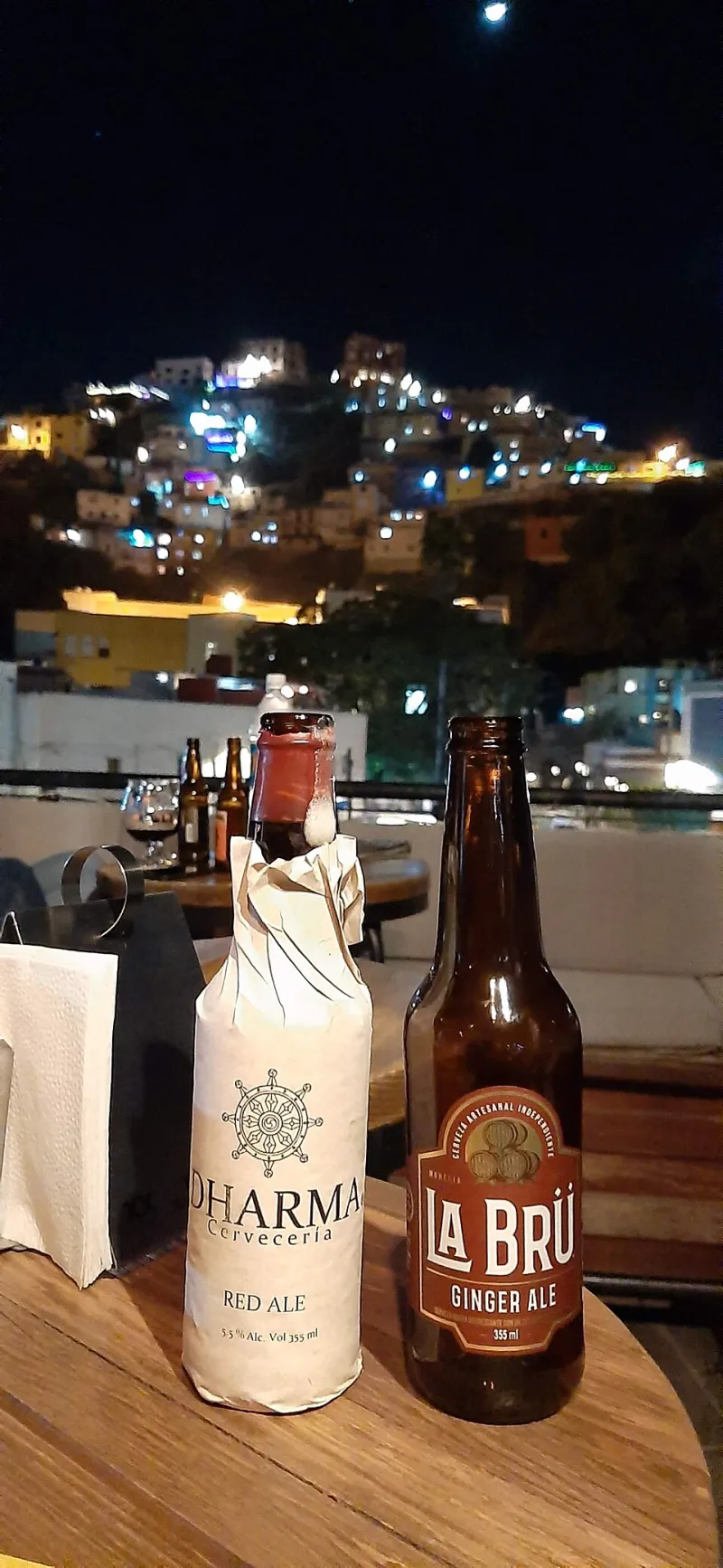
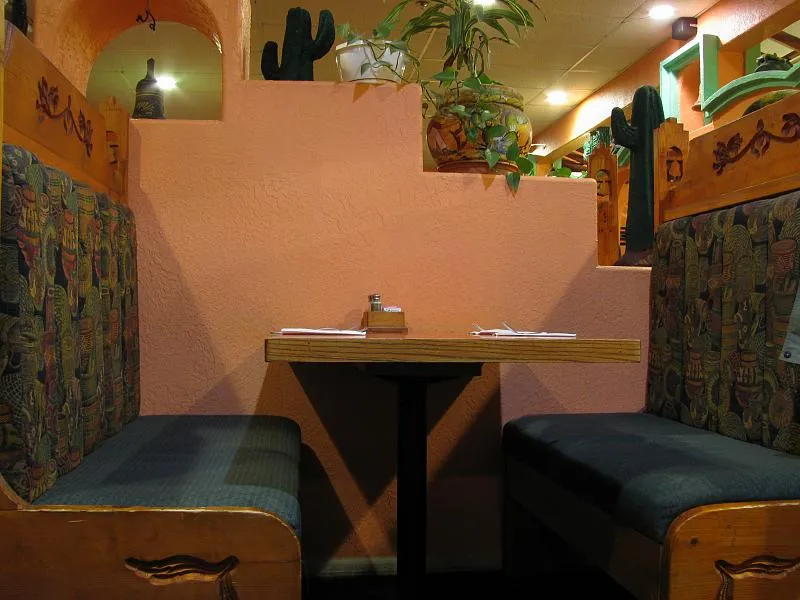
Photo: Sgroey, CC BY-SA 4.0, via Wikimedia Commons
Walk into our kitchen on a Sunday morning and you'll see something that surprises first-timers: bottles and pint glasses of beer sitting next to the mis en place, right between the butter and the buttermilk. That's not a cook's breakfast. That's inventory.
At ALX Gastropub, we've long stopped thinking of beer as something that only leaves the kitchen. A good chunk of our draft list never makes it to a glass at all — it goes into the batter, the pan, and the brunch cocktail well. Here's how that happened, and how you can steal the technique at home.
The Pancake That Started It All
Our brunch stout cakes are the item people ask about most, and the answer is less complicated than they think. Beer is carbonated, which means it's a built-in leavener. Swap some of the buttermilk in a standard pancake batter for a malty stout — we use whatever Virginia stout is on the board that week — and you get a fluffier crumb with a deep, almost cocoa-like backbone.
The CO2 bubbles expand in the heat of the griddle. The roasted barley notes in the malt taste like the pancake has already been buttered. You don't need to add much else.
The rules we follow in the kitchen:
- Match intensity to the dish. A big imperial stout will bulldoze delicate pancakes. A dry Irish-style stout or a brown ale plays nice.
- Let it go flat on purpose. For batters, we pour the beer an hour ahead and stir out the fizz. You keep the flavor, lose the foam.
- Cut the sugar slightly. Malt brings its own sweetness, so taste before you add the full cup.
Deglazing With Amber: The Burger Pan Trick
The stout cakes get the headlines, but the workhorse move in our kitchen is quieter. When our line cooks pull the smash burgers off the flat top, they hit the pan with a splash of amber ale instead of stock or wine.
Why? Amber ales carry caramelized malt sugars that behave a lot like a demi-glace — they pick up the fond (the browned bits stuck to the pan) and turn it into a glossy pan sauce in about ninety seconds. Wine adds acidity; beer adds depth. For a burger, depth wins.
The same trick works on pork chops, caramelized onions, and honestly anything with a fond worth rescuing. A Virginia-brewed amber or Vienna lager does the job beautifully, and the alcohol cooks off in the reduction.
The Beer-Forward Bloody Mary
Then there's brunch's other half: the drinks. Our Bloody Mary swaps the standard vodka base for a crisp local pilsner or kölsch-style ale, topped with our house mix. It's lighter, lower in alcohol, and the beer's carbonation and grain character play off the tomato, horseradish, and celery salt instead of hiding behind a neutral spirit.
It's also a smarter brunch pour. Guests can order two and still make their 1 p.m. reservation at Mount Vernon. And because we're building the drink on beer we already pour, the flavors stay consistent with the rest of the list.
Bringing It Home: A Short Guide for Virginia Home Cooks
You don't need a gastropub kitchen to pull this off. A few pointers from our crew:
- Buy local, buy fresh. Beer is food. Check the bottling date, and grab Virginia options from breweries around NoVA — freshness matters more in the pan than in the glass.
- Cook with what you'd drink. If the beer tastes bad flat, it'll taste bad in your stew.
- Dark for sweet, light for savory. Stouts and porters love chocolate, pancakes, and chili. Pilsners and wheat beers love seafood batter, deglazing, and light sauces.
- Reduce, don't drown. Add beer toward the end of cooking for sauces, or reduce it separately so you concentrate flavor instead of watering it down.
- Skip the super-hoppy stuff for heat. IPA bitterness turns harsh and acrid when reduced. Save the double IPAs for drinking.
Why Bother?
Part of it is practical — we brew-adjacent source a lot of great beer, and it would be a shame to limit it to one use. But mostly it's about flavor. Malt is a cousin of the grain, sugar, and toast flavors already in pub food. Cooking with beer isn't a gimmick; it's just finishing a thought.
So next brunch, order the stout cakes. Then ask your server which keg went into them. The answer changes weekly — and that's kind of the point.